
Is NYC Tap Water Better Than Bottled Water?
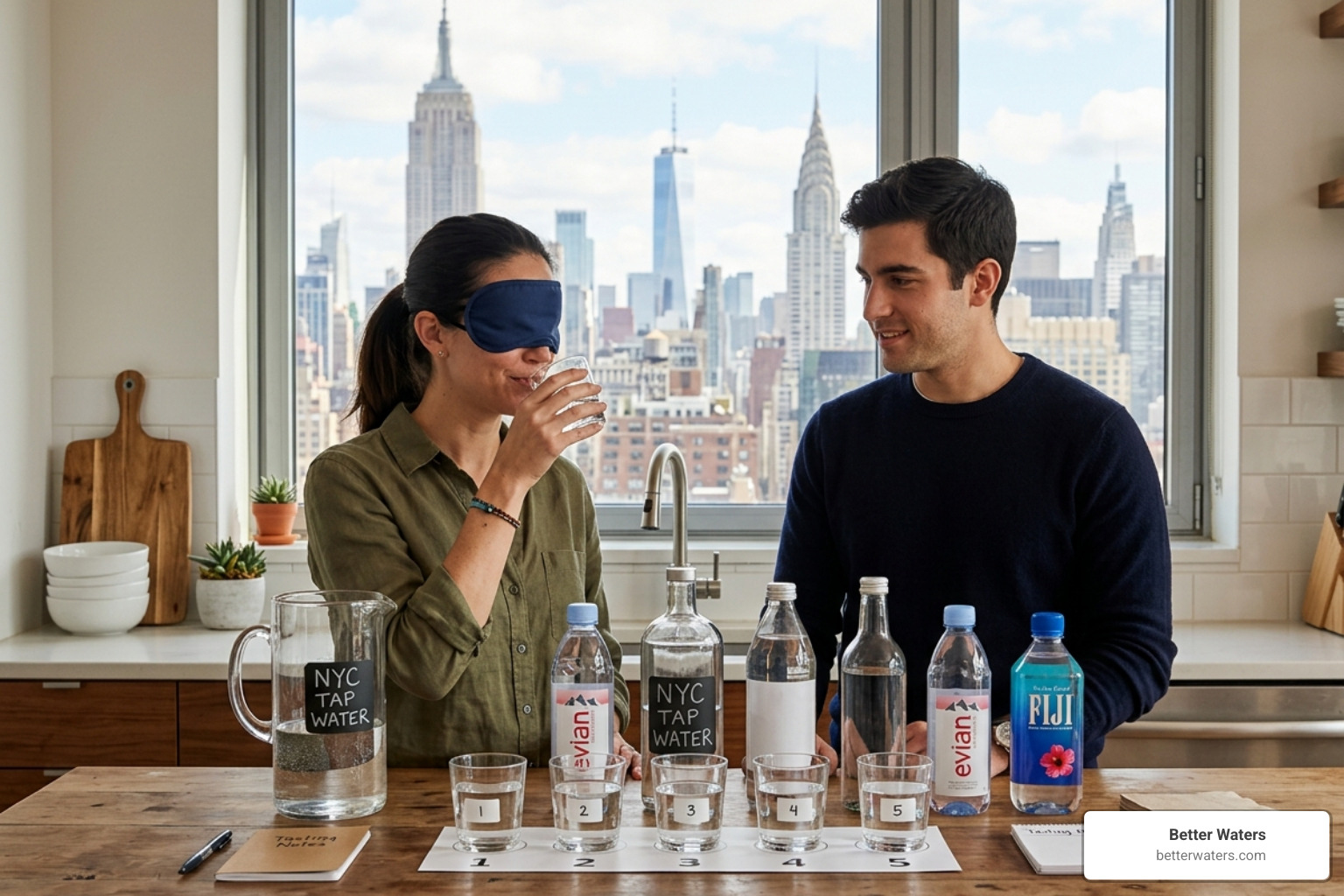
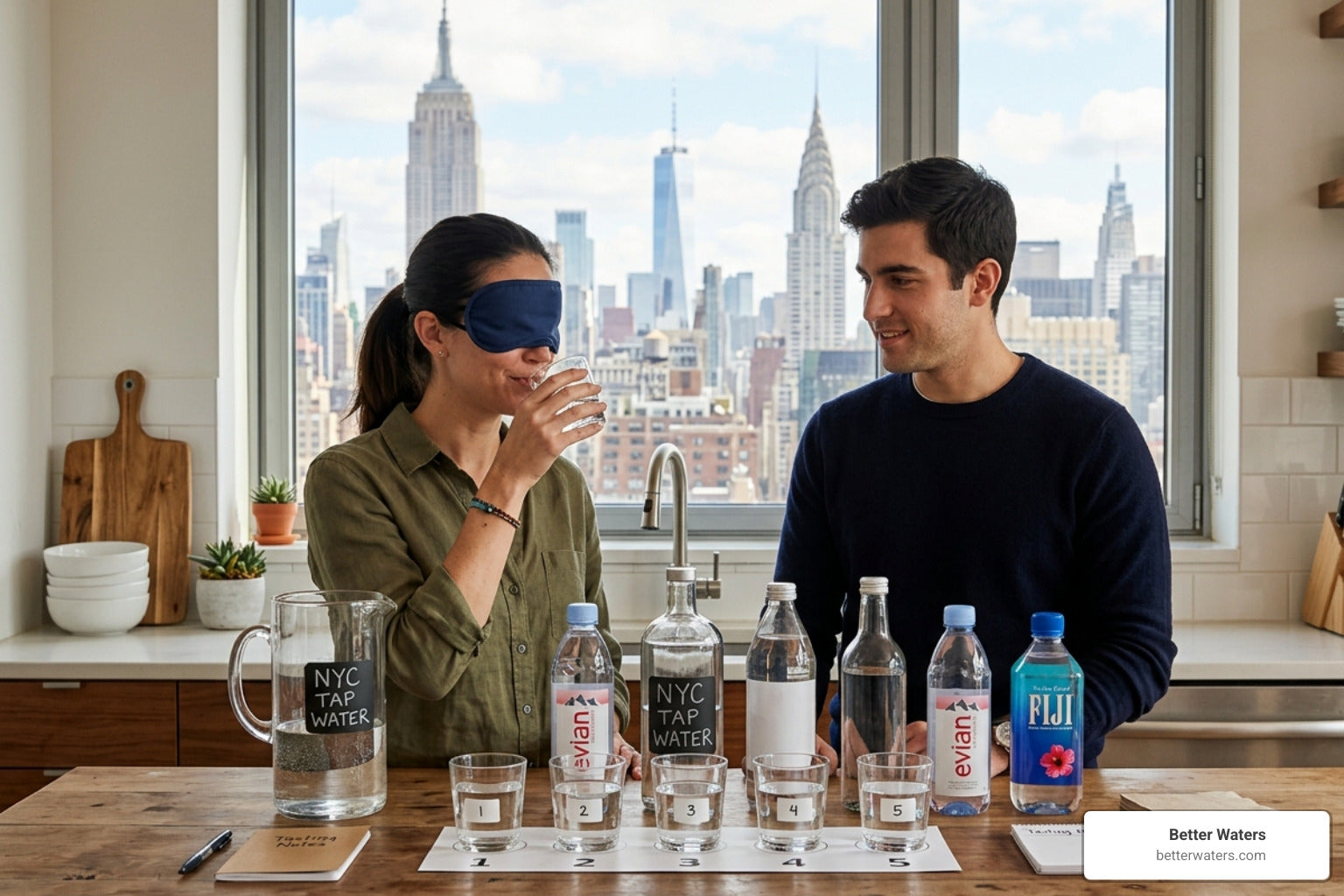
Bottled-tasting NYC water is an achievable goal. In fact, the answer may surprise you: New York City tap water already rivals, and in many ways outperforms, many bottled water brands.
Here's a quick comparison to answer the key question:
| Factor | NYC Tap Water | Bottled Water |
|---|---|---|
| Microplastics (per liter) | ~4 particles | ~94 particles |
| Regulatory testing | Hundreds of tests daily | Less stringent oversight |
| Taste test ranking | #3 vs. bottled brands (local TV study) | Varies by brand |
| Cost | Nearly free | $1–$4+ per bottle |
| Microplastic trend | At or below national average | 2,125% higher than tap |
NYC tap water is sourced from 19 upstate reservoirs across a nearly 2,000-square-mile watershed, stretching into the Catskill Mountains, up to 125 miles north of the city. It's tested hundreds of times every day, 365 days a year.
Yet many New Yorkers still reach for a plastic bottle, chasing a taste unfiltered tap water can't deliver.
The truth? The gap between tap and bottled taste disappears entirely with the right filtration system in place.
Unlocking Bottled Taste from NYC Tap Water's Natural Quality
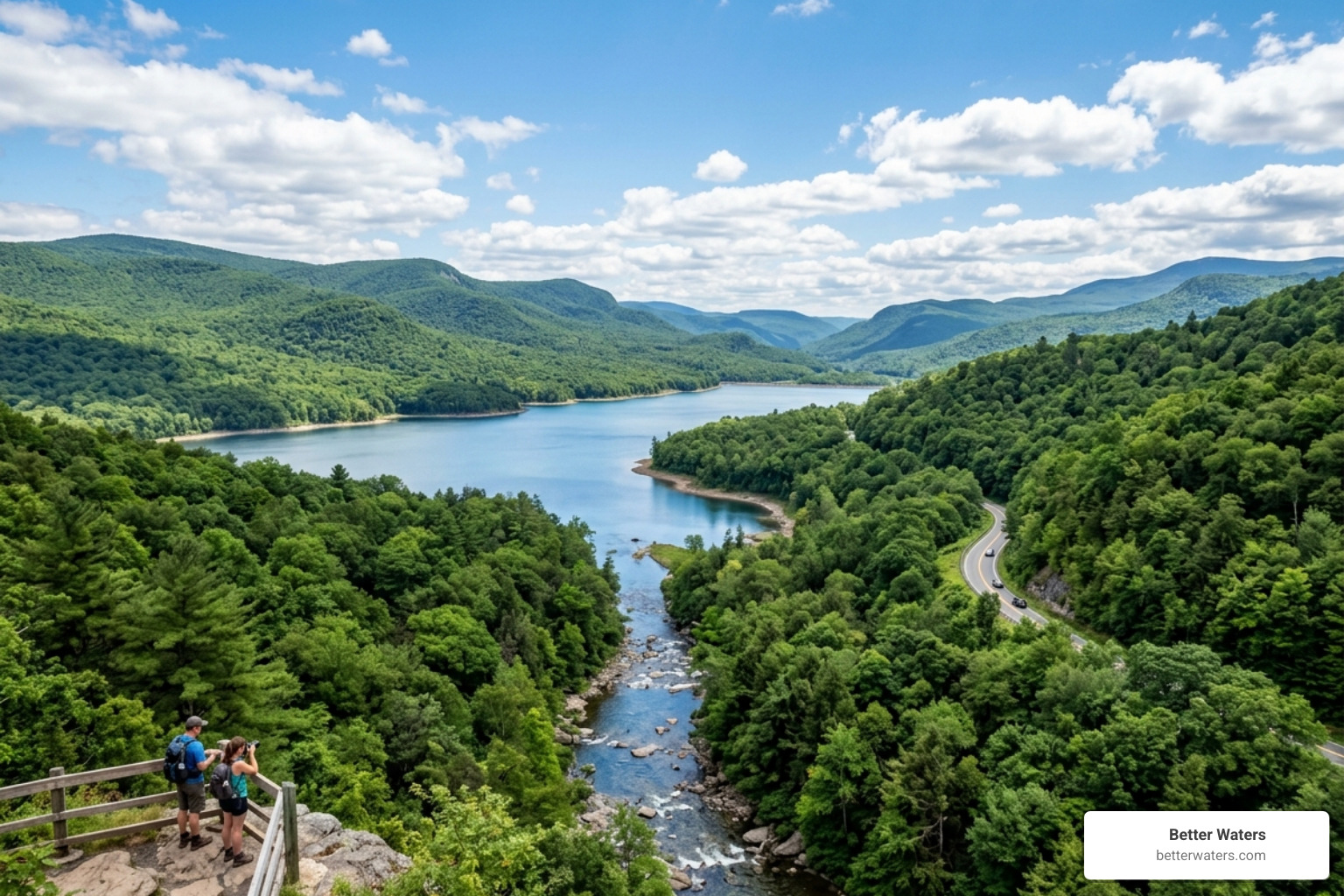
When we talk about bottled taste water nyc, we are actually talking about a world-class resource that is often misunderstood. New York City's water doesn't come from the Hudson River or some local well; it travels through a massive, sophisticated engineering marvel from 19 reservoirs and three controlled lakes. This watershed covers nearly 2,000 square miles in the Hudson Valley and Catskill Mountains, some parts sitting 125 miles north of Manhattan.
Because this water travels so far, the NYC Department of Environmental Protection (DEP) maintains a rigorous 365-day monitoring schedule. Scientists test the water hundreds of times every single day. They aren't just testing at the source; they use 1,000 street-side sampling stations across the five boroughs to ensure that what comes out of your faucet meets strict federal and state standards.
To keep this water safe as it travels through hundreds of miles of tunnels, a chlorine residual is maintained. This prevents the growth of microorganisms. While this is great for safety, it's the leading reason people prefer bottled water, they can smell or taste that chlorine. Strictly in terms of municipal safety, NYC tap is arguably a "premium" product.
The Microplastic Reality: Tap vs. Bottled Water in 2026
As of April 2026, the conversation around water quality has shifted from "is it clean?" to "is it plastic-free?" Recent research has turned the "bottled is better" argument on its head. If you are drinking bottled water because you think it's "purer," the data suggests otherwise.
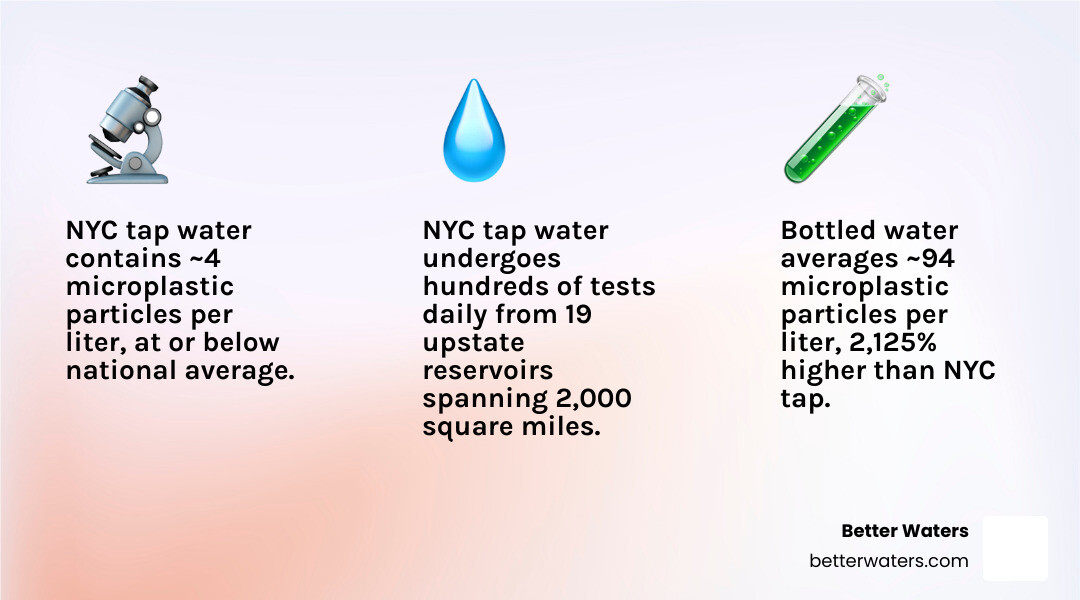
NYC tap water contains approximately 4 microplastic particles per liter. This is at or below the national average. In stark contrast, bottled water averages 94 particles per liter. That is a staggering 2,125% higher concentration in bottled water than what you get from your NYC kitchen tap.
The situation becomes even more intense when looking at nanoplastics, particles so small they can cross the blood-brain barrier. A landmark Columbia University study found up to 240,000 plastic particles per liter in popular bottled water brands. These particles often leach from the PET (polyethylene terephthalate) bottles themselves, especially when exposed to heat during shipping or storage.
Microplastic Comparison Table (2026 Data)
| Water Source | Microplastics (Particles/Liter) | Nanoplastic Potential |
|---|---|---|
| NYC Tap Water | ~4 | Low |
| Typical Bottled Water | ~94 | High (up to 240,000) |
| Filtered NYC Tap (XL7000) | <1 | Minimal |
Choosing bottled taste water nyc via a filtration system isn't just about flavor anymore; it's a health-conscious decision to avoid the "plastic soup" found in single-use containers.
Factors Influencing the Flavor of NYC Drinking Water
Why does the water in a Queens apartment taste different from a Manhattan office? It comes down to the source and the "last mile" of delivery. NYC water is a blend from three systems: the Delaware, Catskill, and Croton.
- The Source: The Catskill and Delaware systems provide soft to slightly hard water, which most people find very pleasant. The Croton system is moderately hard, which can slightly alter the "mouthfeel."
- The Lines: This is the big one. The reservoirs that supply NYC start with world class water, but over the course of some 100 miles of pipe from the source to your building, the water transforms as it oxidizes. Chlorination generates byproducts (Trihalomethanes or THMs). And it can pick up metallic tastes or even lead from aged pipes within your building.
- Seasonal Changes: In warmer months, the DEP may slightly increase chlorine to ensure safety, making the "pool smell" more noticeable.
- Secondary Contaminants: Sediment, rust from old water mains, and organic matter can often cause "brown water" conditions.
We've identified 4 common issues people have with tap water, ranging from aesthetic complaints like odor to more serious concerns like lead and microplastics. Understanding these factors is the first step toward transforming your tap into something that rivals brands like Saratoga Spring Water.
Achieving Bottled Taste Water NYC Quality with Advanced Filtration
If you want the crisp, sweet finish of a premium brand like Nirvana without the plastic waste, you need a high-quality filtration strategy. Carbon block filtration is the core component of modern systems. It works like a magnet for chlorine, pesticides, and the organic compounds that cause "off" flavors.
However, not all filters are created equal. To truly reach bottled taste water nyc standards, we recommend advanced multi-stage filtration. Our XL7000 system is a practical implementation of this technology. It doesn't just "sift" the water; it uses a 3M-developed, sub-micron rated carbon block to catch contaminants that standard pitcher filters miss.
When comparing New York City Tap Water Unfiltered with NYC Tap Water Filtered Through the XL7000, the difference is night and day. The XL7000 is NSF/ANSI 53 certified, meaning it is proven to reduce health-related contaminants like lead and cysts. With a 6000-gallon capacity and a 2.5 GPM (gallons per minute) flow rate, it provides "bottled quality" water instantly, right from your existing faucet.
Is Bottled Taste Water NYC Worth the Premium Price?
New Yorkers are savvy with their money, yet many spend hundreds of dollars a year on bottled water. Let's look at the math. A Case of 12 New York City Tap - Pure Natural Water can cost over $30. If you're buying premium glass bottles like Saratoga Spring Water - Still (28 oz), the costs skyrocket.
Ordering water at a restaurant often feels like a tax, with waiters pushing expensive bottles when "Chateau de Sink" (NYC tap) is actually ranked #3 in national taste tests. By using an under-sink system, you're essentially paying pennies per gallon for water that is safer and tastes at least as good as the $5 bottle from the deli.
Environmental and Economic Benefits of Choosing Tap
Beyond the wallet, there is the planet. The environmental impact of the bottled water industry is staggering. Even "sustainable" brands still require carbon-heavy shipping. For instance, Vellamo water is sourced from Finnish glaciers, an amazing story, but a long journey to reach a Manhattan table.
By choosing to filter your NYC tap water, you:
- Reduce Plastic Waste: Eliminate thousands of single-use bottles from landfills.
- Lower Your Carbon Footprint: Stop the cycle of shipping heavy water crates across the country or the ocean.
- Support Municipal Efficiency: NYC's water system is a public treasure with 150 years of heritage; using it is the ultimate form of sustainable living.
Filling a reusable bottle at your tap is the most "New York" thing you can do. It shows you know the secret: our water starts out great; it only needs an advanced water technology to restore it to perfection.
Frequently Asked Questions (FAQ)
Is NYC tap water considered "hard" or "soft"?
Citywide, NYC water is generally considered "soft" to "slightly hard," averaging about 1.8 grains per gallon. This is why it's so famous for making great bagels and pizza dough! However, areas served by the Croton reservoir can be moderately hard (up to 7 grains), which might lead to mineral buildup on fixtures.
Why does my tap water sometimes taste like chlorine?
Chlorine is added to keep the water safe from bacteria. The taste is more noticeable in the summer because the water is warmer. A simple trick is to refrigerate your tap water overnight in a glass carafe; the chlorine will naturally dissipate. For a permanent fix, a carbon filter like the XL7000 removes virtually all chlorine taste and odor instantly.
Does boiling water remove microplastics or nanoplastics?
No. In fact, boiling water can actually concentrate microplastics because some of the water evaporates while the plastic particles remain. To remove microplastics, you need physical filtration, specifically a system with a sub-micron rating that can mechanically trap these tiny particles.
Conclusion: The Best Way to Enjoy NYC Water
We believe that New Yorkers shouldn't have to choose between safety, taste, and sustainability. You can have all three. By leveraging the natural quality of the Catskill watershed and adding a professional-grade "finishing touch," you can enjoy bottled taste water nyc every time you turn on the tap.
The XL7000 system is designed specifically for the unique challenges of NYC plumbing, providing a high-capacity, multi-stage solution that fits right under your sink. Whether you're a homeowner in Brooklyn or managing a large office in Manhattan, it's time to ditch the plastic and embrace the best water in the world.
Upgrade to bottled-quality water with the XL7000 system today and taste the difference for yourself.
Share:
Why Your Office Needs a Better Water Filtration System Right Now
Why Your NYC Home Needs Pro Grade Filtration NY Style