
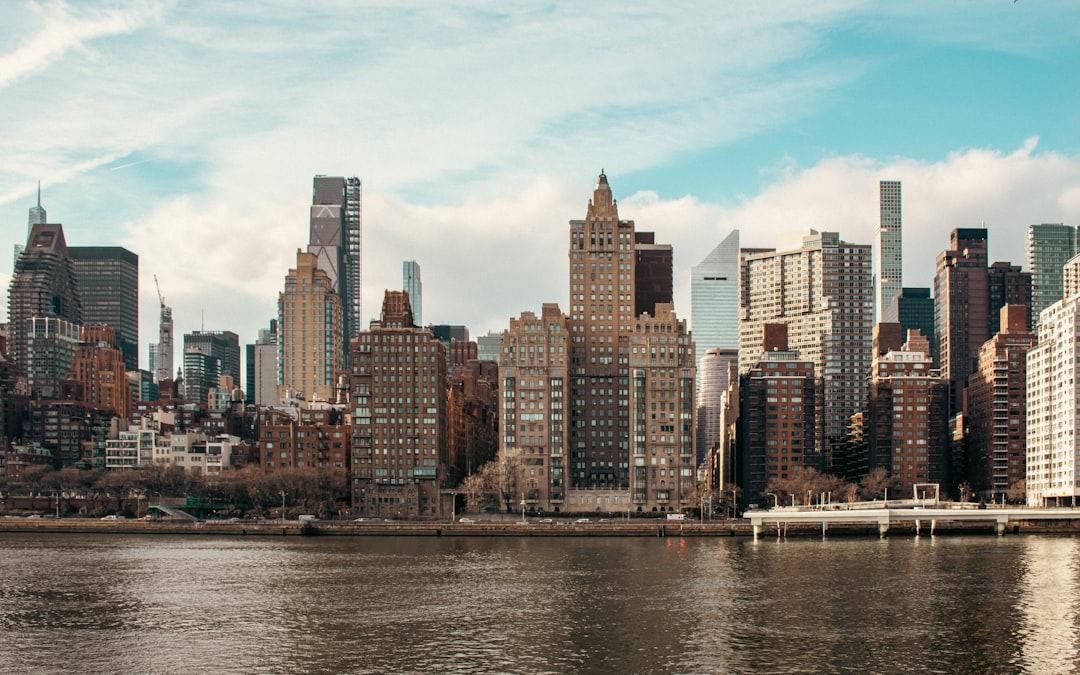
NYC Tap Water Looks Clean, But Is It Really Safe to Drink?

If you're looking for the best home water system NYC options, here's a quick breakdown to help you decide:
| Need | Best Solution |
|---|---|
| Remove lead, chlorine, PFAS from drinking water | Under-sink carbon or RO filter |
| Clean water at every tap, shower, and appliance | Whole-house filtration system |
| Apartment with limited space | Tankless RO or compact under-sink system |
| Best all-round drinking water quality | XL7000 Water Filtration System |
| Largest contaminant removal (99%) | Reverse osmosis (RO) system |
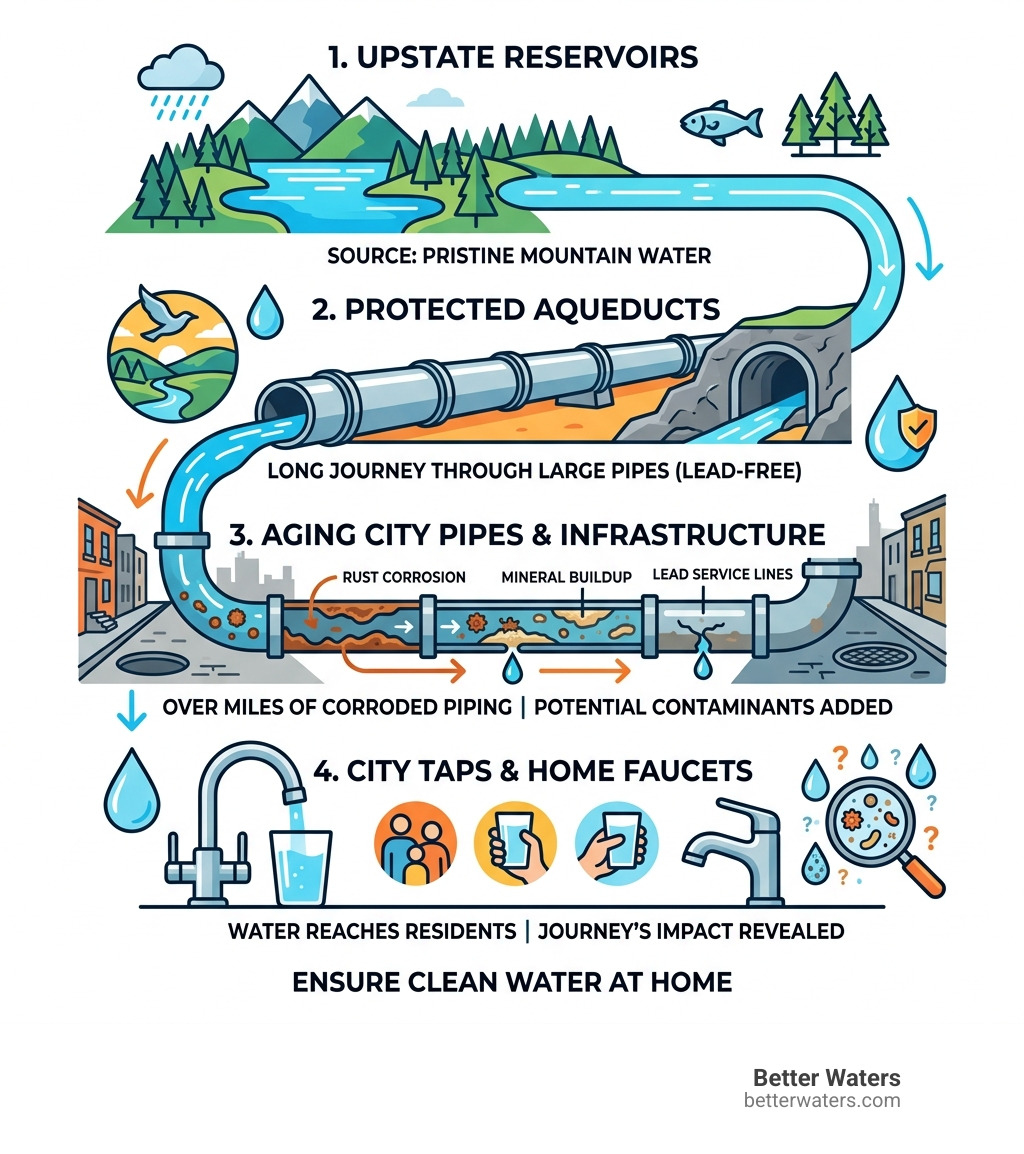
New York City's drinking water starts its journey clean. It flows from pristine upstate reservoirs through aqueducts that are largely lead-free. That part is genuinely impressive.
But here's the problem: the water travels through miles of aging pipes before it reaches your glass.
NYC has over 3.4 million housing units, and many of them, especially older buildings built before 1987, still contain lead pipes, corroded fixtures, and plumbing that adds contaminants the reservoir never had. Lead service lines were banned in 1961, and lead in household plumbing in 1987, but plenty of older infrastructure remains in place today.
Your body is roughly 60% water. What you drink every single day matters more than almost any other health decision you make.
A professional-grade home filtration system isn't a luxury for NYC residents. Given the state of the city's aging infrastructure in April 2026, it's a practical necessity. Protect your home with the XL7000 Water Filtration System today.
The Reality of the Home Water System NYC Residents Rely On
When we talk about a home water system nyc residents use, we aren't just talking about the pipes inside your apartment. We are talking about a massive, century-old network. New York City is famous for having the largest unfiltered water system in the country. While the city treats the water with chlorine, fluoride, orthophosphate, and UV light to kill bacteria, it doesn't "filter" it in the traditional sense before it hits the city mains.
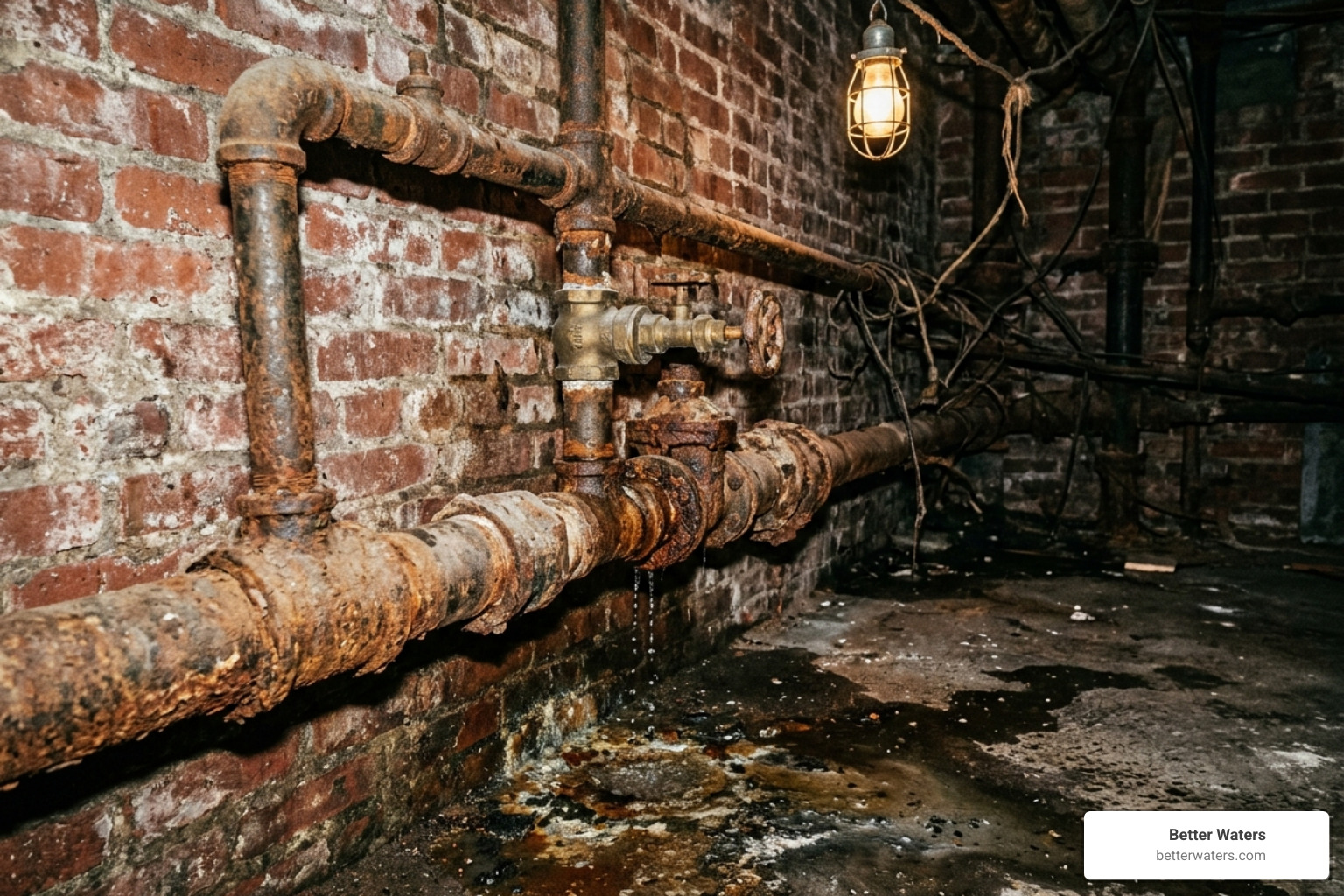
The water leaves the Catskill and Delaware watersheds in pristine condition. However, as it travels through aging aqueducts and eventually into your building's internal plumbing, the story changes. Many NYC buildings, particularly the two-thirds that are renter-occupied, feature pipes that have been in place for decades.
Even though the city water is virtually lead-free when it leaves the reservoir, it can absorb lead from old solder, brass fixtures, and lead service lines found in many 1-to-4 family homes. This is why the In-home Water Filtration Options for Household Drinking Water are so critical for residents to understand. You might think your water is fine because it "tastes okay," but there are 4 Common Issues People Have with Tap Water that aren't always visible to the naked eye.
Hidden Contaminants in Your Tap
What is actually lurking in your glass? In April 2026, we are more aware than ever of the "unseen" guests in our plumbing:
- Lead: Picked up from old building pipes and service lines.
- Chlorine and Chloramines: Used by the city to disinfect water, but they leave a chemical taste and can dry out your skin and hair.
- PFAS (Forever Chemicals): These industrial pollutants are increasingly found in regional supplies and are linked to long-term health risks.
- Microplastics and Sediment: Tiny particles that break off from aging infrastructure.
- Brown Water: Often caused by water main breaks or internal pipe corrosion, leading to iron and manganese staining your sinks.
- Legionella: A bacteria that can sometimes grow in large building water systems with stagnant areas or improper temperature control.
To see the stark difference, you can look at the data Comparing New York City Tap Water Unfiltered with NYC Tap Water Filtered Through the XL7000. The "NYC Cocktail" of chemicals and sediment is exactly why a dedicated home water system nyc is the only way to ensure total purity.
Advanced Filtration Technologies: From Carbon to Reverse Osmosis
Choosing the right home water system nyc depends on your living situation. Are you in a high-rise in Manhattan or a single-family home in Queens? The technology you choose should match the contaminants you're most worried about.
Most modern systems fall into two main categories:
- Multi-Stage Carbon Filtration: These systems, like our XL7000, use advanced carbon block technology to adsorb chemicals and trap physical particles. They are incredibly efficient, don't waste water, and fit easily under a standard NYC sink.
- Reverse Osmosis (RO): This technology forces water through a semi-permeable membrane. It's the "heavy lifter" of filtration, removing up to 99% of all dissolved solids, including heavy metals and salts.
- Tankless RO: A newer innovation suitable for NYC's cramped kitchens. Traditional RO systems use a bulky storage tank where water can sometimes sit and become "stale." Tankless versions provide fresh, purified water on demand and save on under-sink real estate.
If you are wondering, "Do I Need an Under Sink Water Filter," the answer is almost always yes if you prioritize drinking water quality over just "utility" water.
Why Carbon Filtration is the Gold Standard for a Home Water System NYC
While RO is powerful, high-end carbon filtration is often the most practical and effective choice for the average New Yorker. Our XL7000 system utilizes 3M-developed technology to provide a "pro-grade" experience without the complexity of a multi-tank setup.
Why do we recommend the XL7000 for NYC?
- Chlorine & Odor Removal: It aggressively targets the "pool water" smell common in Manhattan taps.
- Massive Capacity: It features a 6000-gallon capacity, meaning the average family only needs to change the cartridge once a year.
- High Flow Rate: At 2.5 gallons per minute (GPM), you won't be standing at the sink waiting forever to fill a pasta pot.
- NSF Certification: It is tested and credibly certified to meet strict safety standards for contaminant reduction.
Ready to upgrade? Check out the XL7000 Water Filtration System here.
Comparing Performance of Your Home Water System NYC
To help you visualize which home water system nyc works best for you, we've broken down the specs of the most common residential options.
| Feature | Standard Pitcher Filter | XL7000 Carbon System | Reverse Osmosis (RO) |
|---|---|---|---|
| Lead Removal | Basic/Variable | High (99%+) | Maximum (99.9%) |
| PFAS Removal | Low | High | Maximum |
| Flow Rate | Very Slow | 2.5 GPM (Fast) | Moderate (Varies) |
| Filter Life | 1-2 Months | 12 Months | 6-12 Months |
| Wastes Water? | No | No | Yes (Small amount) |
| Space Needed | Fridge Space | Small Under-Sink | Large Under-Sink |
There are 6 Great Reasons to Filter Your Tap Water, ranging from better-tasting coffee to protecting your family's health.
Health and Financial Benefits of Pro-Grade Filtration
Living in the city is expensive, but your water shouldn't be. Many New Yorkers fall into the trap of buying bottled water because they don't trust their tap.
The Financial Reality: The average New York family spends about $36 per month on bottled water. That adds up to $432 per year. When you compare that to the cost of an XL7000 or a high-quality RO system, the investment usually pays for itself within the first year or two.
The Environmental Impact: Americans used 50 billion plastic water bottles last year. In a city as dense as NYC, the waste from plastic bottles is a massive logistical and environmental burden. By switching to a home water system nyc, you are directly reducing your carbon footprint and helping the city meet its sustainability goals.
The Health Factor: This isn't just about taste. Lead exposure is a serious concern for children and pregnant women, as it can lead to developmental delays and IQ issues. Furthermore, the CDC notes that over 7 million Americans get sick annually from waterborne diseases. While NYC water is treated, the "last mile" of piping in your building is your responsibility.
Maintenance and Costs for Your Home Water System NYC
Maintenance is the part most people forget, but it's essential to keep your water safe.
- Installation: A professional installation for an under-sink system in NYC typically ranges from $150 to $500 depending on the complexity (e.g., if you need a hole drilled in a granite countertop).
- Cartridge Replacement: For a system like the XL7000, you are looking at one simple cartridge swap per year.
- RO Maintenance: Reverse osmosis systems often have 3 to 5 different filters that need changing at different intervals (6 months for pre-filters, 2-3 years for the membrane).
We believe there are 6 Great Reasons You Should Filter Tap Water Better Waters, and the peace of mind that comes from knowing your filters are up to date is high on that list.
Frequently Asked Questions (FAQ)
How often should I change my NYC water filters?
For most residents using a high-capacity system like the XL7000, once a year is the standard. However, if you live in an area with frequent "brown water" episodes or very old iron pipes, you may notice a drop in flow rate sooner. If the water pressure at your faucet starts to slow down significantly, that's your filter telling you it has trapped as much sediment as it can handle!
Does NYC provide free lead testing kits?
Yes! The NYC Department of Environmental Protection (DEP) offers one free lead test kit per household. You can request one by calling 311 or visiting the DEP website. This is a great first step, but lead levels can fluctuate, and a "pass" today doesn't mean your old pipes won't leach lead tomorrow. A certified filter is your permanent safety net.
What NSF certifications should I look for?
When shopping for a home water system nyc, look for these specific certifications:
- NSF/ANSI 42: Covers aesthetic effects (chlorine, taste, and odor).
- NSF/ANSI 53: This is the big one. It certifies that the system reduces specific health-related contaminants like lead, cysts, and VOCs.
- NSF/ANSI 58: Specifically for Reverse Osmosis systems.
- NSF/ANSI 473: For PFOA/PFOS (forever chemicals) reduction.
Conclusion
Your home in New York City is your sanctuary, and the water you drink should be the purest part of it. While the city does its best to provide quality water to the curb, the journey through aging infrastructure and old building pipes introduces risks that only a professional-grade home water system nyc can eliminate.
Whether you choose the high-capacity, space-saving XL7000 or a comprehensive reverse osmosis system, you are making an investment in your health, your wallet, and the environment. Stop carrying heavy cases of bottled water up your walk-up and start enjoying bottled-quality water straight from your tap.
Ready to upgrade your NYC kitchen? Check out the XL7000 Water Filtration System and see why Better Waters is the trusted choice for Manhattan and the surrounding boroughs.
Share:
NYC Tap Water vs Bottled Taste Test
The Long and Short of RO Filter Longevity